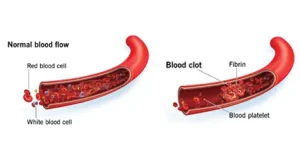
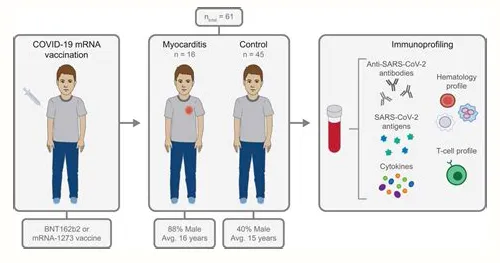
An ELISA blood test for degrees of excess clotting. Also useful determination of amyloid clotting, due to graphene derivatives in blood. Amyloid clots are the primary cause of strokes, heart attacks, and organ damage from Covid inoculations and shedding.
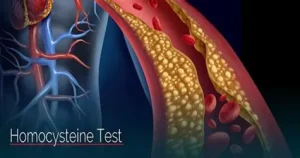
Homocysteine
The Homocysteine ELISA blood test measures the level of homocysteine, an amino acid in the blood, which can indicate vitamin B6, B12, or folate deficiencies and assess cardiovascular disease risk. Elevated homocysteine levels may suggest an increased risk for heart disease and stroke. Elevated homocysteine levels may be associated with increased risk of severe outcomes in Covid patients.
Spike Protein Synthesis
The spike protein is a structure on the surface of the SARS-CoV-2 virus elimination that allows it to enter human cells. It can change rapidly through mutations, caused by mRNA, cellphone radiation, and more. It plays a role in some of the long-term symptoms experienced by Covid patients, such as fatigue, brain fog, and shortness of breath. Research has shown that it can last in the body for up to 12 months post-infection. The spike protein can cross the blood-brain barrier, causing personality changes and brain damage. It can be degraded by therapies several therapies.
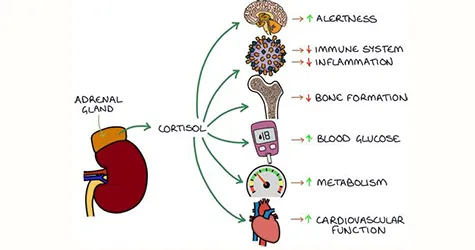
Cortisol
The cortisol ELISA blood test measures the level of cortisol in the blood, which can be elevated in response to stress, including infections like Covid. Research indicates that Covid patients often have significantly higher cortisol levels compared to healthy controls, suggesting a link between related infections and increased cortisol production.
Blood ferritin
The ferritin ELISA blood test measures blood iron levels, which are often elevated in severe Covid cases due to immune dysregulation and inflammation. High ferritin levels have been linked to worse outcomes in patients, including cytokine storm syndrome.
error: Content is protected !!
HealthGuard 62™ Form
NMN+ IV Infusion
Vita Liver Support IV Infusion
Vita Lungs Support IV Infusion
Senior Tuneup IV Infusion
Member Patient Electro NAD IV Infusion
NAD+ IV Infusion
You can see how this popup was set up in our step-by-step guide: https://wppopupmaker.com/guides/auto-opening-announcement-popups/