
Platelets or thrombocytes react to bleeding from blood vessel injury by clumping, thereby initiating a blood clot. Platelets have no cell nucleus. Platelets congregate around a wound creating a cap to stop blood flow out of the tissue (clotting). Platelets also contain cytokines and growth factors which can promote wound healing and regeneration of damaged tissues.
(A) Normal platelets; (B) and (C) agranular and hypogranular platelets in a patient with a myelodysplastic syndrome; (D) giant platelet; (E) platelet anisocytosis, large platelets and platelets with abnormal granulation in a patient with primary myelofibrosis; (F) platelet anisocytosis, a giant platelet and granulation anomalies in a patient with essential thrombocythaemia.
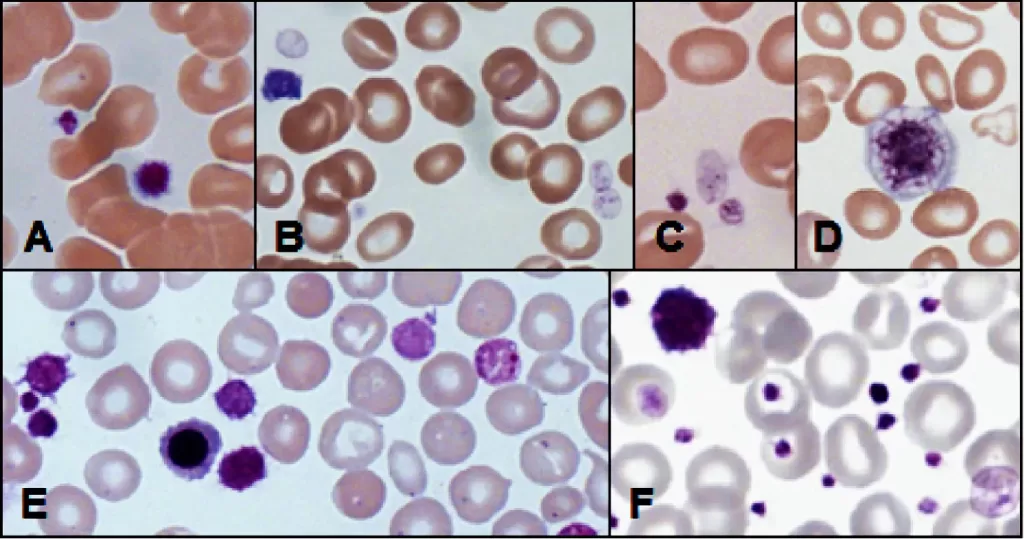
Platelets or thrombocytes react to bleeding from blood vessel injury by clumping, thereby initiating a blood clot. Platelets have no cell nucleus; they are fragments of cytoplasm derived from the megakaryocytes of the bone marrow or lung, which then enter circulation. Platelets congregate around a w ound creating a cap to stop blood flow out of the tissue (clotting). Platelets also contain cytokines and growth factors which can promote wound healing and regeneration of damaged tissues.
Activated platelets are able to participate in adaptive immunity, interacting with antibodies, killing the bacteria directly. Platelets also secrete proinflammatory and procoagulant mediators such as inorganic polyphosphates or platelet factor 4 (PF4), connecting innate and adaptive immune responses.
Excessive numbers of platelets, and/or normal platelets responding to abnormal vessel walls, can result in venous thrombosis and arterial thrombosis. The symptoms depend on the thrombosis site.
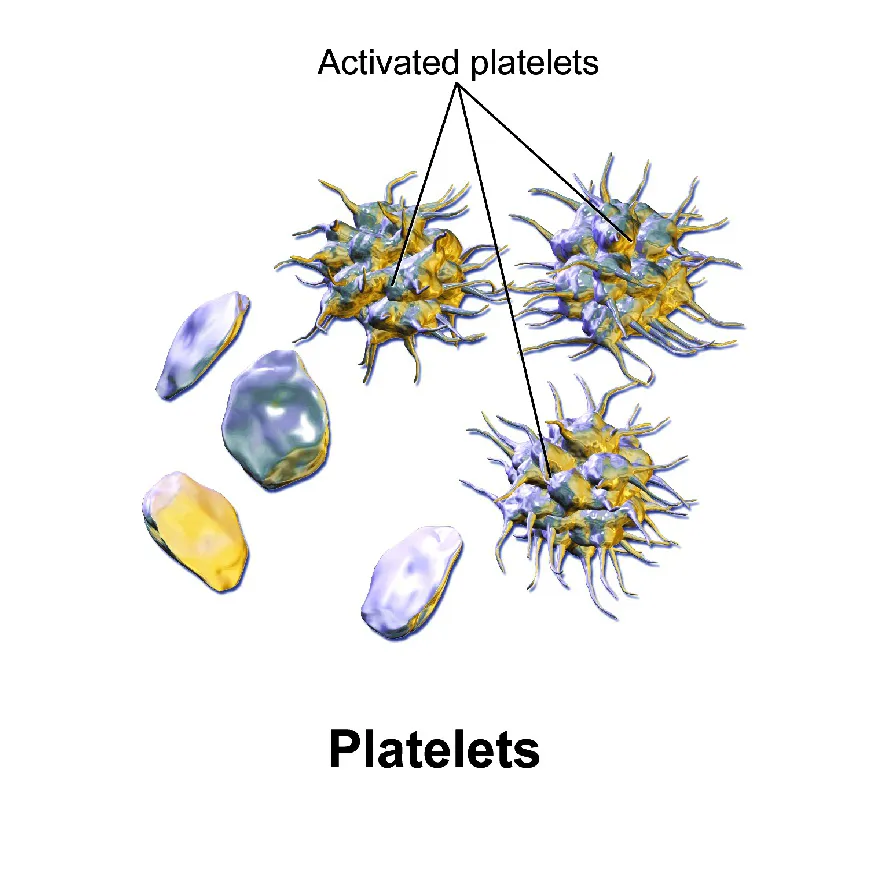
Thrombocytosis (Elevated platelet concentration) is called and is either congenital, reactive (to cytokines), or due to unregulated production. Some causes of reactive thrombocytosis include:
https://www.mayoclinic.org/diseases-conditions/thrombocytosis/symptoms-causes/syc-20378315
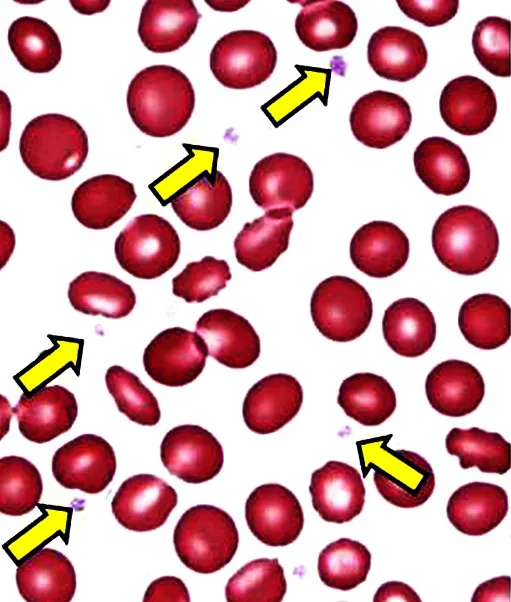
Thrombocytopathy is platelet function disorder causing spontaneous and excessive bleeding. This bleeding can be caused by deficient numbers of platelets, dysfunctional platelets, or platelet densities over 1
million/microliter.
Thrombocytopenia (Low platelet concentration) is due to either decreased production or increased destruction. Conditions or things that can cause your body to make too few platelets include:
https://www.webmd.com/a-to-z-guides/thrombocytopenia-symptoms-causes-treatments
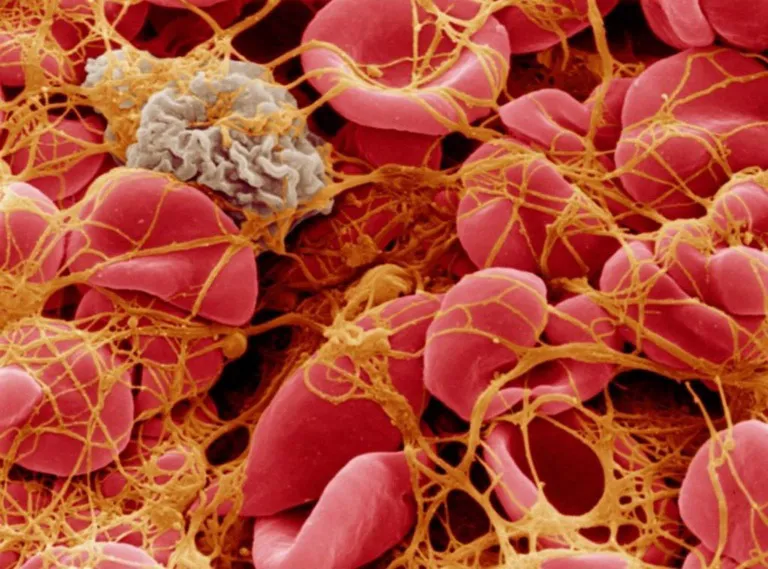
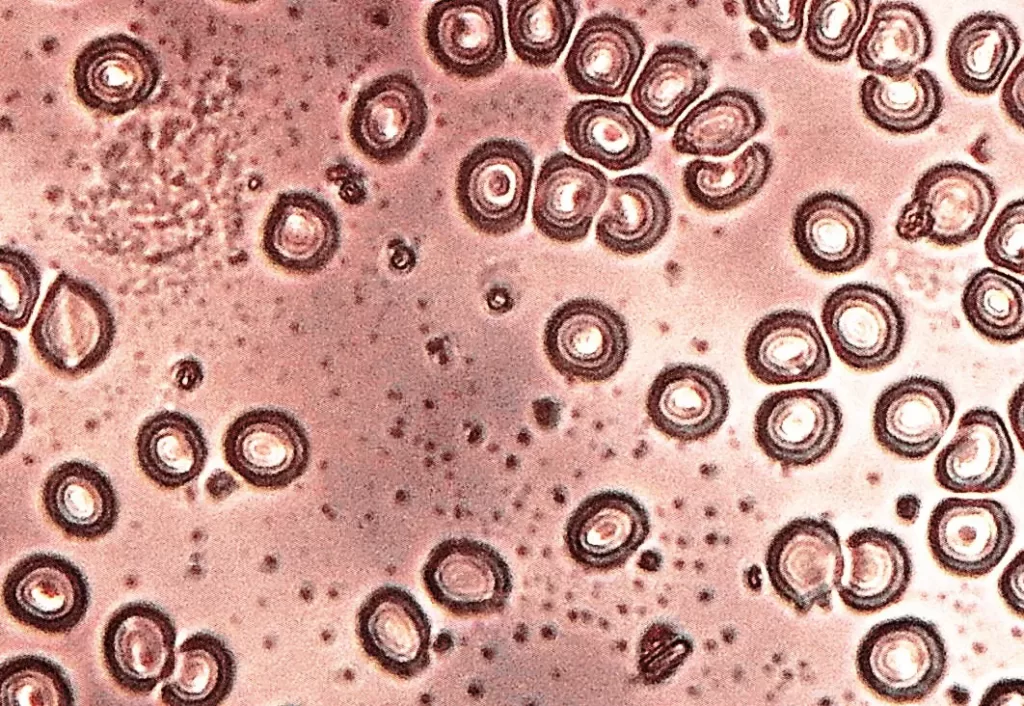
Broken cholesterol fragment.
A high concentration of platelets, most are open
and activated.
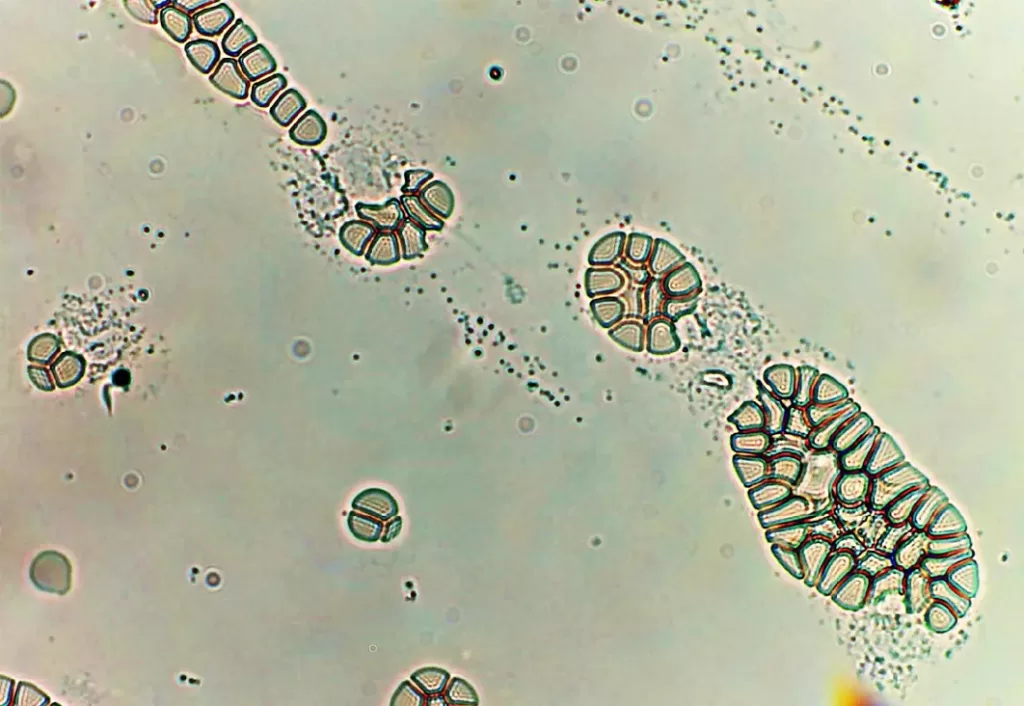
Larger platelets (in string formation), compared to smaller clustered bacteria that are consuming neutrophils. Platelets are mostly active due to larger and concentrated appearance. However these platelets have nothing on which to bind and clot in this slide.
You can see how this popup was set up in our step-by-step guide: https://wppopupmaker.com/guides/auto-opening-announcement-popups/